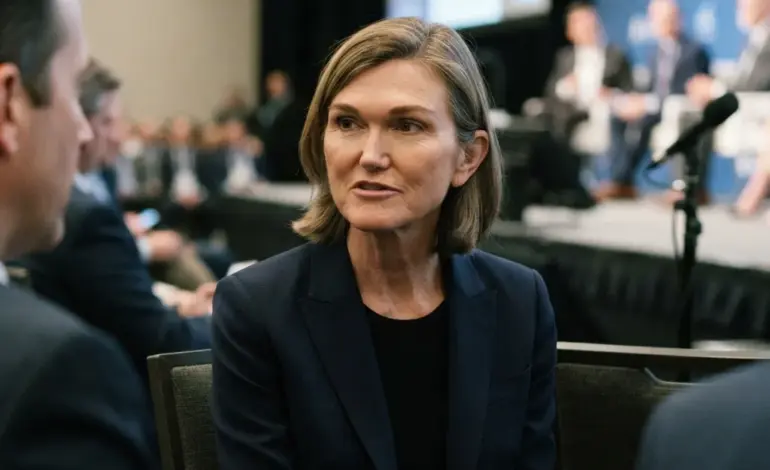
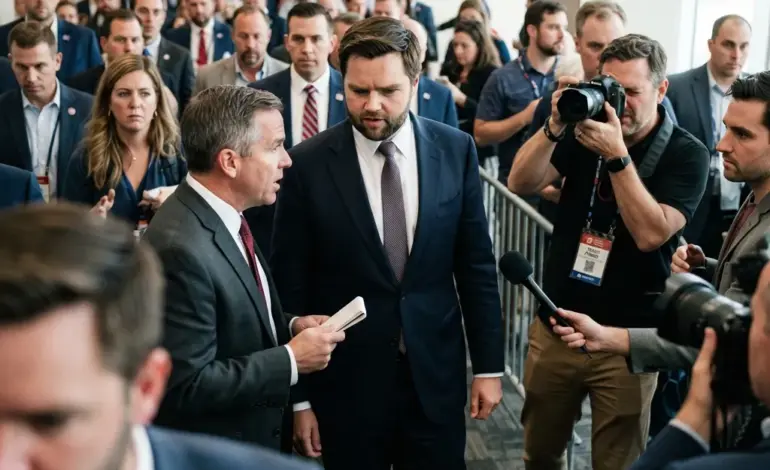
While the wreckage of the recent midterm elections is still being surveyed, a quiet but intense scramble for the 2028 presidential nomination has already begun within the Republican Party. Potential contenders are carefully calibrating their public personas to determine whether the path to power lies in doubling down on populist rhetoric or pivoting toward a more moderate image. Vice President JD Vance has emerged as a central figure in this balancing act, attempting to refine the Make America Great Again ethos by championing economic nationalism and industrial revitalization while subtly navigating his stance on foreign conflicts like the war with Iran.
Other ambitious Republicans are similarly testing the waters. Senator Josh Hawley recently shifted his position from having no intention of running to admitting he is giving serious thought to his political future, echoing Vance’s focus on blue collar families. However, these hopefuls face a delicate challenge in managing their relationship with Donald Trump. Despite the electoral setbacks, Trump remains the gravitational center of the party, leaving aspirants to wonder if departing from his specific vision will alienate him or provide a necessary bridge to a broader electorate.
This tension is evident not only among politicians but also among high profile allies like Elon Musk, who appears to be creating some distance from the MAGA brand after investing heavily in the cycle. Trump has already signaled that veering away from his core philosophy often leads to failure, serving as a tacit warning to anyone hoping to build a coalition independent of his influence. As figures like Senator John Kennedy weigh their options, the internal struggle between loyalty and evolution continues to define the party’s identity.
Meanwhile, much of the administrative noise surrounding election integrity has faded in the wake of the results. After years of warnings regarding widespread voter fraud and noncitizen voting, the Justice Department is quietly stepping back from several legal battles it once championed. By dropping appeals and lawsuits intended to scrutinize election certifications, the administration seems to be acknowledging that despite previous predictions of chaos, the midterms largely proceeded without significant disruption.